Create a thoughtfully designed outdoor space with practical layouts that balance beauty, function, and seasonal interest.
A well-planned garden layout forms the foundation of a beautiful and functional outdoor space. Whether you're starting from scratch or redesigning an existing area, understanding the principles of garden design helps you make the most of your backyard. The key is to balance aesthetics with practicality, considering sunlight, soil conditions, and how you envision using your outdoor space.
Below, we explore six practical garden layout ideas that homeowners can adapt to their unique situations. Each approach offers flexibility and room for personal expression while maintaining principles of good design.
Before placing a single plant, take time to plan. Start with a basic sketch of your space, noting dimensions, existing structures, and natural features. Observe sun patterns throughout the day, identify shaded and sunny areas, and determine which direction water naturally drains. This foundational work prevents costly mistakes later.
A successful layout typically divides the backyard into zones: perhaps a patio for entertaining, an open lawn area for relaxation, and planted beds that frame the space. Consider traffic flow—how you naturally move through the space—and ensure pathways feel intuitive.
A thoughtful plan respects your lifestyle and climate. If you entertain frequently, prioritize a functional patio. If you prefer solitude, create quiet corners with seating. The best garden layout is one that serves your needs and brings you joy.

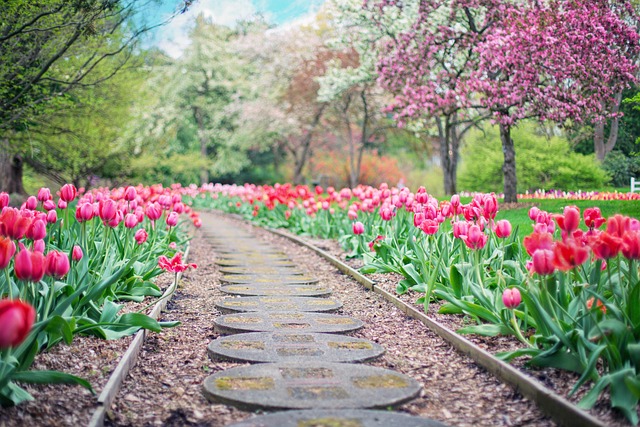
Pathways do more than guide visitors—they define spaces, create rhythm, and make maintenance easier. A path can be as simple as stepping stones through a lawn or as formal as a stone walkway bordered by planting beds. The material you choose affects both aesthetics and function, so consider durability, maintenance, and how the path complements your home's style.
Width matters too. Main pathways should be at least 3 feet wide to accommodate two people walking side by side. Secondary paths can be narrower, around 2 feet. Curved paths feel more natural than perfectly straight ones, and a gentle curve draws visitors deeper into the garden.
Well-designed pathways reduce soil compaction in planting areas, guide foot traffic away from delicate plants, and create visual interest as they wind through your garden. They also serve a practical purpose during wet weather or for accessing areas that need maintenance.
Raised flower beds and layered borders create visual interest and make plants easier to manage. Raised beds offer better drainage, reduced back strain for maintenance, and a defined aesthetic. Borders—planting areas along fences, patios, or pathways—frame your garden and add softness to hardscaping elements.
When arranging plants in beds or borders, follow the rule of tiers: place tall plants in the back or center, medium-height plants in the middle, and short plants in front. This creates a cascade effect that's visually pleasing and ensures all plants receive adequate light. Group plants by water and sun requirements so they can thrive together without competing.
Start modestly with one or two flower beds. As you gain confidence and experience, expand your planting areas. It's easier to manage smaller beds well than to be overwhelmed by too much space.
A quiet corner with a bench or small seating arrangement transforms your garden into a retreat. Seating areas encourage you to pause, observe, and truly enjoy your outdoor space. Whether it's a simple wooden bench under a shade tree, a small patio with chairs, or a pergola with built-in seating, these spaces become favorite spots for relaxation.
When choosing a location, consider shade, views, and privacy. An area with afternoon shade is more inviting during warm months. Positioning seating to face a focal point—a flowering tree, water feature, or attractive view—makes the spot more enjoyable. Privacy screens or plantings can create intimate retreats even in small spaces.
The best seating areas become gathering places where family and friends naturally congregate. They're often near the house for convenience but positioned to feel connected to the larger garden. This balance of accessibility and retreat makes them special.
A low-maintenance garden is sustainable, cost-effective, and sustainable. The key is choosing plants suited to your climate, using mulch effectively, and designing for minimal intervention. Native plants adapted to your region's rainfall, temperature, and soil conditions naturally thrive with little additional care.
Grouping plants by water needs simplifies watering schedules. Plants requiring regular moisture are concentrated in one area, while drought-tolerant plants occupy another. This approach saves water and reduces the need for hand-watering or complex irrigation systems.
Low-maintenance doesn't mean boring. Many native plants offer beautiful flowers, interesting foliage, and attract beneficial wildlife. The freedom from constant maintenance allows you to simply enjoy your garden.
A simple water feature adds tranquility and attracts wildlife to your garden. Water features don't need to be elaborate or expensive. A bird bath, small fountain, or shallow pond creates movement, sound, and visual interest. Even a still water surface reflects light and creates a sense of calm.
Small fountains operate on recirculating pumps, using minimal water and electricity. Bird baths provide drinking and bathing spots for birds and butterflies. A shallow pond or water basin surrounded by plants becomes a focal point and wildlife haven. The soothing sound of moving water enhances the sensory experience of your garden.
Position water features where you can enjoy them from seating areas or windows. The combination of water movement, sound, and reflected light creates a sensory delight that encourages visitors to linger and appreciate your garden more fully.
Sketch your space, observe sun patterns, and identify zones for different activities. A thoughtful plan respects your lifestyle and creates a cohesive outdoor area.
Pathways define spaces and guide visitors naturally through your garden. Choose materials that complement your home and suit your climate for lasting appeal.
Layer plants by height and group by water needs. Raised beds and borders create visual interest and make maintenance easier for any skill level.
Create quiet retreats where you can pause and enjoy your garden. A simple bench under a tree can become a favorite spot for relaxation and reflection.
Choose native plants, use mulch, and group by water needs. A low-maintenance garden is sustainable, beautiful, and frees you from constant upkeep.
Even simple water features—bird baths, fountains, or shallow ponds—add tranquility and attract wildlife to your garden space.
Start with one idea that resonates with your vision. Whether it's a simple pathway, a flower bed, or a quiet seating nook, every garden grows from small, thoughtful choices. Visit our Practical Tips section for detailed guidance on plant selection, seasonal care, and soil preparation.
Explore Practical Tips