Practical Garden Tips 🌱
Essential guidance for soil preparation, planting, seasonal care, watering, and sustainable pest management. Learn proven techniques to help your garden thrive year-round.
Essential guidance for soil preparation, planting, seasonal care, watering, and sustainable pest management. Learn proven techniques to help your garden thrive year-round.
Successful gardening is built on practical knowledge and thoughtful technique. Whether you're maintaining an established garden or starting fresh, understanding the fundamentals helps you make confident decisions and avoid common pitfalls.
This section covers the core practices that support healthy plant growth: soil quality, proper spacing, seasonal timing, water management, and natural pest control. These aren't rigid rules but rather tested approaches that adapt to your climate, soil, and available time.
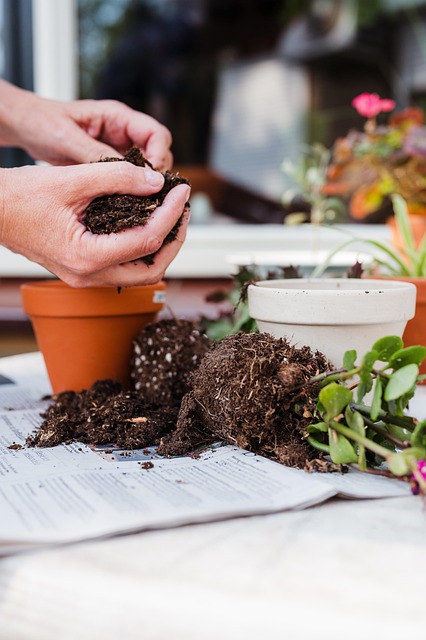
Before planting, invest time in understanding and improving your soil. Test soil pH and nutrient levels, then amend with compost or organic matter. Good soil provides drainage, nutrients, and structure that support strong plant growth.
Proper spacing ensures good air circulation, reduces disease, and allows plants to reach their full size. Follow spacing guidelines on plant labels and resist overcrowding, especially when plants are young.
Deep but infrequent watering encourages deep root growth and plant resilience. Early morning watering reduces evaporation and fungal issues. Adjust frequency based on rainfall, soil type, and season.
Organic mulch regulates soil temperature, retains moisture, suppresses weeds, and enriches soil as it breaks down. Apply consistently but keep mulch away from plant stems.
Working with seasons rather than against them saves time and improves results. Spring, summer, fall, and winter each offer specific opportunities for planting and maintenance.
Use natural methods first. Remove pests by hand, encourage beneficial insects, and plant companions that deter problems. Healthy plants are more resistant to pests and disease.
Soil is the foundation of your garden. Before making major investments in plants and materials, understand what you're working with. Soil testing kits are inexpensive and provide valuable information about pH, nutrient levels, and texture.
Most vegetables and ornamentals prefer slightly acidic to neutral soil (pH 6.0–7.0). If your soil is too acidic, add lime. If too alkaline, add sulfur. Incorporate organic matter to improve texture, drainage, and fertility regardless of your soil's current condition.
Planting depth affects root development, water access, and plant stability. Most plants should be planted at the same depth they were growing in their nursery container. Perennials and shrubs benefit from a wider planting hole rather than a deep one.
Create a planting hole twice the width of the root ball but the same depth. This allows roots to spread laterally and establish quickly. Backfill with amended soil and water thoroughly to settle soil around roots and remove air pockets.
Removing spent flowers (deadheading) encourages more blooms and extends the flowering season. Pruning removes dead wood, shapes plants, and improves air circulation. Timing varies by plant, so research your specific plants for best results.
Spring-blooming shrubs should be pruned after flowering. Summer and fall bloomers are pruned in early spring. Deadheading most flowers throughout summer extends blooming. Always use clean, sharp tools to prevent disease spread.
Healthy soil with added compost provides many nutrients plants need. However, some situations benefit from supplemental feeding. Vegetables, annual flowers, and newly planted perennials may need fertilizer.
Apply fertilizer according to product instructions. More is not better—excess nitrogen promotes foliage at the expense of flowers and fruit. Organic fertilizers release nutrients slowly, making them ideal for home gardeners.
The best disease management is prevention. Choose disease-resistant plant varieties when available. Provide proper spacing for air circulation. Water at soil level rather than overhead to keep foliage dry. Remove infected plant material promptly.
Common fungal diseases like powdery mildew and leaf spot spread quickly in humid conditions. Ensure plants have adequate space, avoid overhead watering, and remove infected leaves. In most cases, healthy plants recover with simple management adjustments.
Composting garden waste and kitchen scraps creates nutrient-rich soil amendment while reducing landfill contributions. A simple compost pile requires only layered organic material, moisture, and patience. Most compost is ready in 6-12 months.
Layer brown materials (dry leaves, straw) with green materials (grass clippings, kitchen scraps). Keep the pile moist like a wrung-out sponge. Turning the pile speeds decomposition, though turning is optional. Avoid meat, dairy, and diseased plant material.
Prepare beds by adding compost. Plant cool-season vegetables early, warm-season crops after last frost. Plant perennials and shrubs. Start seeds indoors. Divide existing perennials. Prune winter damage.
Water deeply and consistently, especially during drought. Deadhead flowers to extend blooming. Stake tall plants. Monitor for pests and disease. Mulch bare soil. Harvest vegetables and herbs regularly. Plant fall perennials late summer.
Plant spring bulbs, perennials, and shrubs. Collect and save seeds. Reduce watering as temperatures cool. Cut back perennials as foliage dies. Apply mulch before ground freezes. Plant garlic and cold-hardy vegetables.
Protect tender plants with mulch. Plan next season's garden. Take garden photos to remember lessons. Sharpen tools. Prune dormant trees. Place cloches over early greens. Watch for heavy snow damaging branches.
These practical tips form the foundation of successful gardening. Start with soil preparation, add consistent care, and you'll see results season after season.
Ask Questions